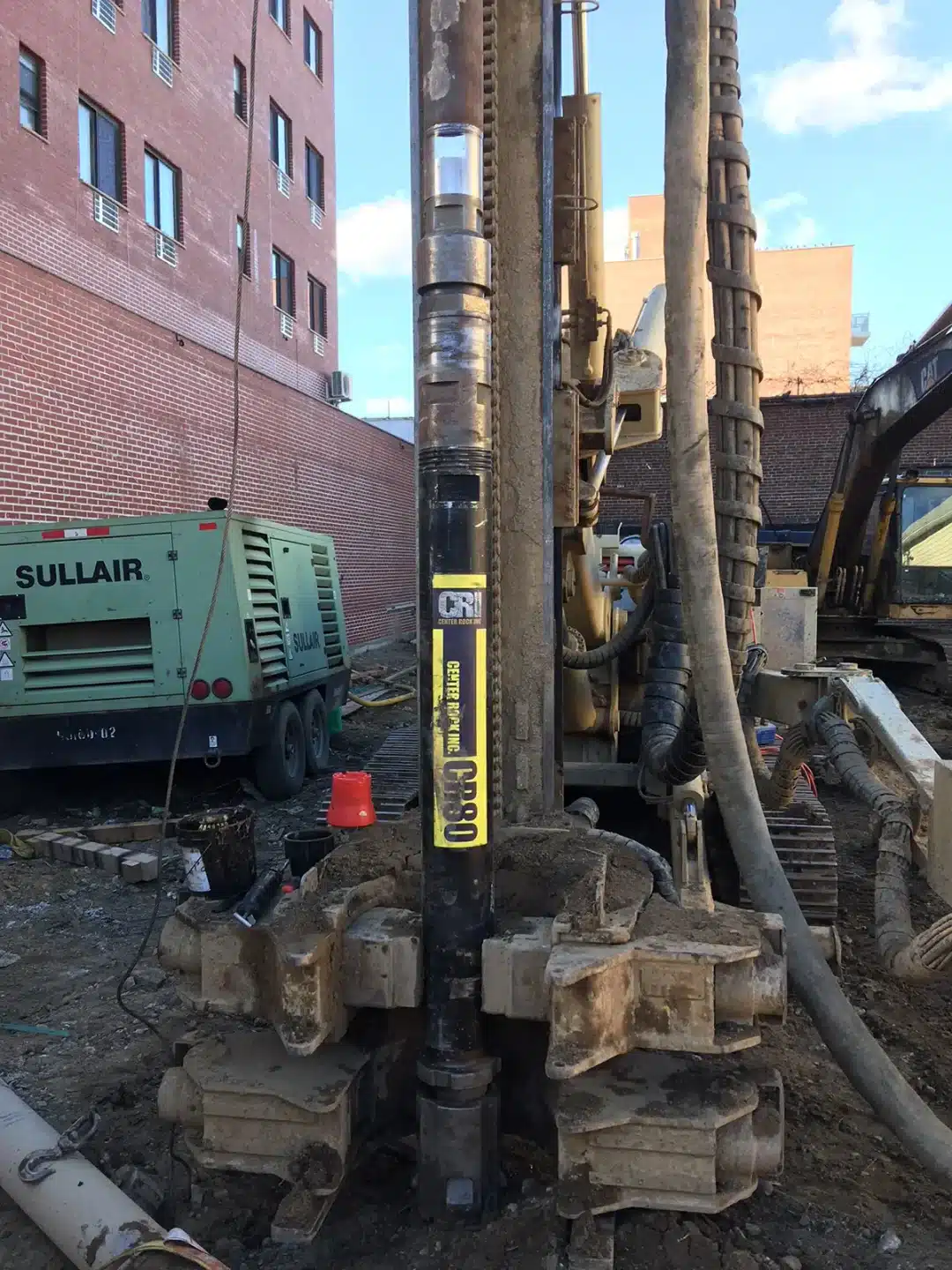
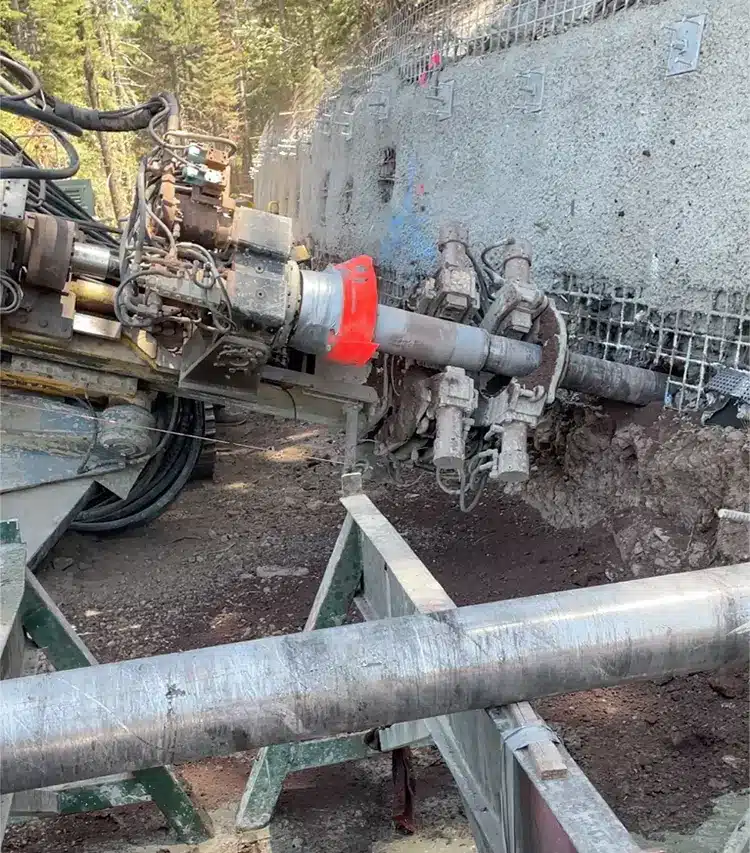
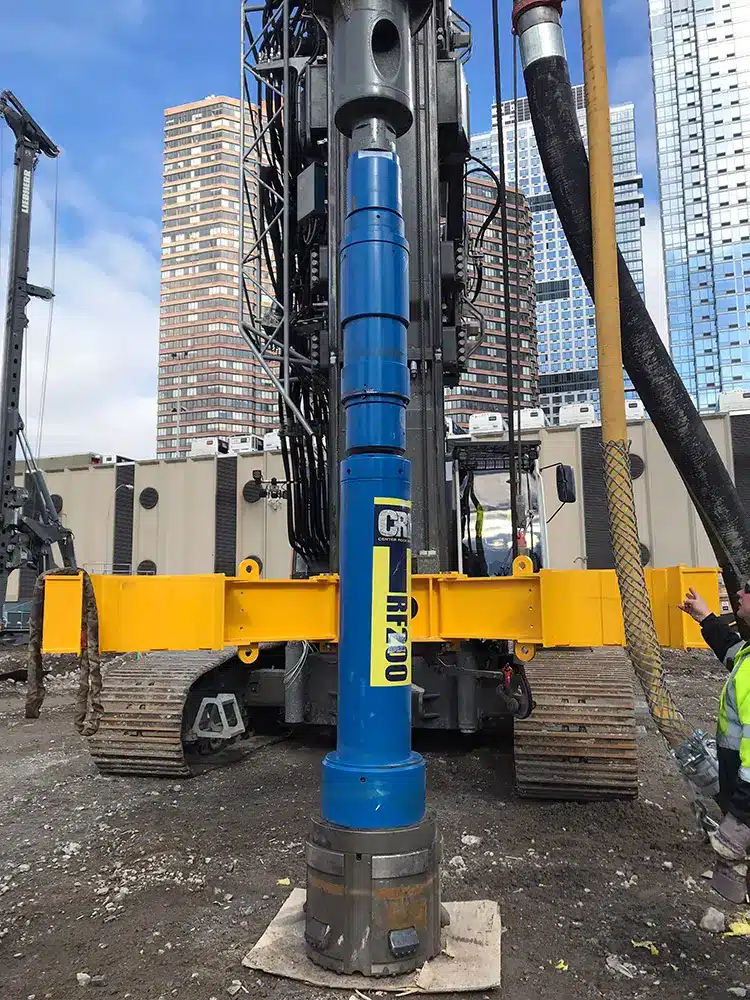
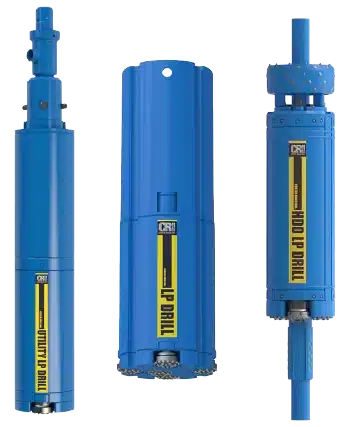
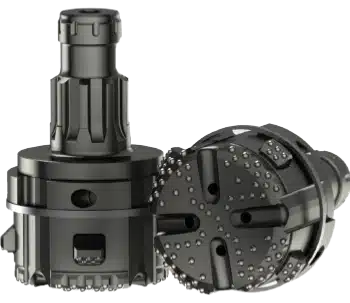
CENTER ROCK INC.® designs and manufactures reliable overburden drilling equipment built for casing advancement through unconsolidated ground that stops conventional drilling systems cold. Our overburden product lineup is built around the ROTO LOC® underreamer, a casing advance system ranging from 5.5″ to 36″ (140mm–914mm), engineered to drill straight, full-diameter holes through sand, gravel, karst, and pinnacle limestone.
ROTO LOC® Underreamer Systems for Overburden Casing Advancement
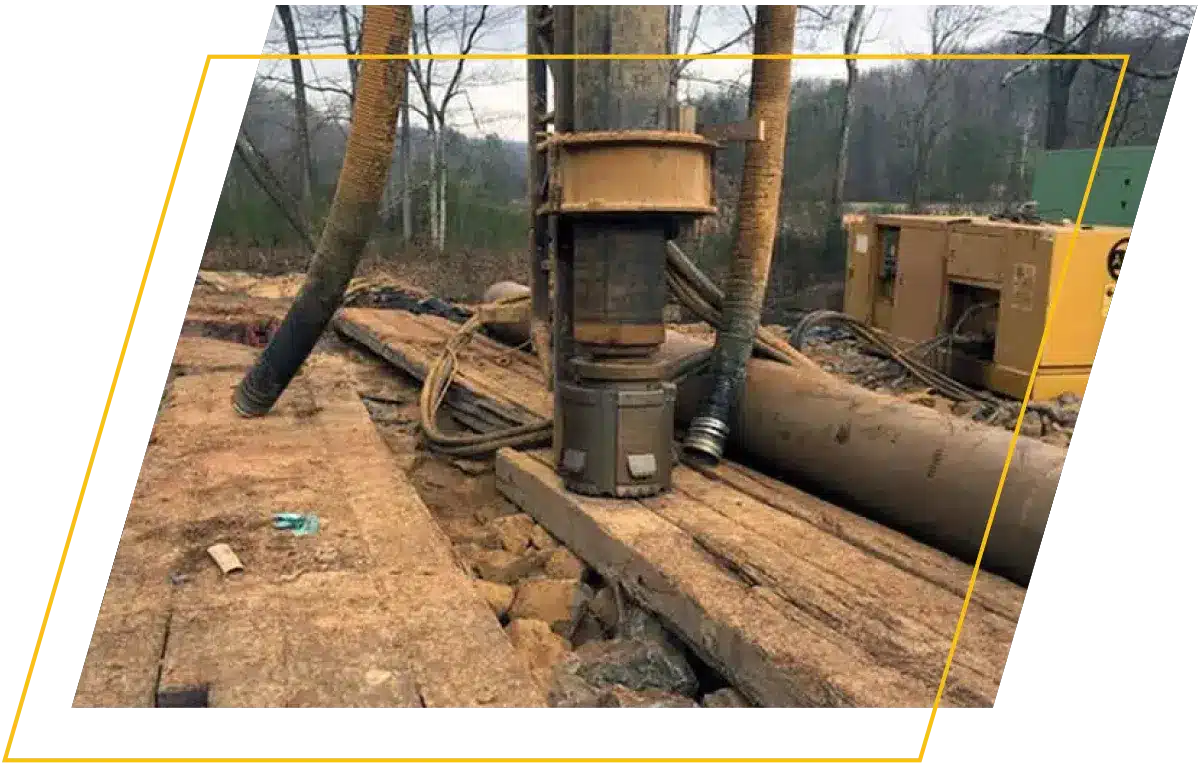
Overburden formations, the loose, unconsolidated ground sitting above bedrock, give casing nothing solid to hold a line against. That’s the problem ROTO LOC® was built to solve. As the manufacturer of the ROTO LOC® casing advance system, Center Rock gives contractors a way to drill straight through overburden without the deviation, casing damage, and consumable costs that come with conventional methods.
ROTO LOC® uses locking wings that extend to full diameter as the pilot bit rotates into contact with the ground. Once locked, the wings hold that diameter through the entire bore, guiding the tool through sloping and karstic formations while minimizing deviation. When the target depth is reached, a slight bump backward retracts the wings, and the system pulls free. No sacrificial ring bits. No expensive starter casing J-teeth. Just a straight hole and a casing string that isn’t fighting the formation to get there.
Locking wing mechanism drills straight, full-diameter holes through any formation
Effective through pinnacle limestone, karst, and unconsolidated overburden
Long-nose pilot design guides through sloping formations, minimizing deviation
Eliminates need for sacrificial ring bits or starter casing J-teeth
Reduces casing friction that leads to bent or broken strings
Rotary lockout feature ensures a consistent, full-size hole
Positive locking wings can hold or pull casing back
Sizes from 5.5″ (140mm) to 36″ (914mm) to match standard casing
What Makes Overburden Drilling Demanding
Overburden formations give casing nothing solid to hold a line against, and without a system that locks the borehole to full diameter, casing drifts off plumb as it advances. A few degrees of deviation compound fast, and by the time the string reaches target depth, the borehole can be out of spec entirely. Bent or broken casing is the direct result, along with the redrilling and downtime that follows. A system built to lock in at full diameter and hold a straight line through unconsolidated ground is what keeps the borehole, and the schedule, intact.
Pinnacle limestone, karst voids, and buried boulders rarely show up reliably on a geotechnical report, and they can stop conventional overburden tooling without warning. A pilot bit that can’t hold its angle through sloping or karstic ground loses the bore entirely, forcing the crew to pull back and start over. Equipment engineered to guide through these formations, rather than fight them, keeps the job moving instead of stalling on the one unpredictable pocket nobody planned for.
Advancing casing the traditional way means sacrificial ring bits and expensive starter casing J-teeth, both of which add cost and friction with every foot drilled. That friction is what causes casing failures and slows penetration rates on jobs already fighting the clock. A casing advancement system that locks into full diameter without those consumables cuts the friction and the line-item cost out of the job at the same time.
OUR PRODUCTS
Tools for All of Your Overburden Drilling Requirements
Center Rock supports overburden drilling contractors with the ROTO LOC® casing advance system, technical expertise, and field support. Between our tooling and our engineering team, we can get your casing through unconsolidated ground without fighting the formation.
Drilling Equipment:
ROTO LOC® Underreamer Systems
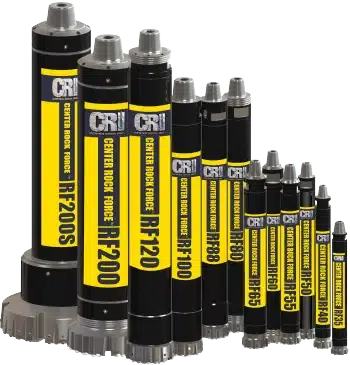
CR Line DTH Hammers
Center Rock Force® (RF) Hammers
ROCK XTREME® (RX) Series Hammers
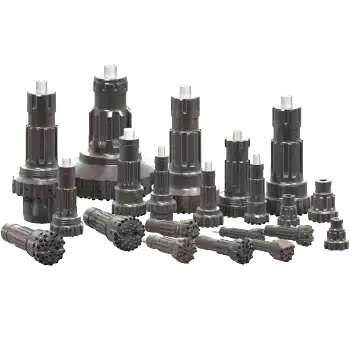
Overburden-Specific DTH Bits
Support Equipment:
Portable Compressors
Oil and Chemical Injection Systems
Water Injection Systems
Hydro-JAW® Breakout Systems
Repair, Reconditioning, and Technical Support
Hammer and Bit Service and Repair
DTH Hammer Reconditioning
Bit Reconditioning and Recarbiding
Drilling Solution Consultation
In-House and On-Site Training
On-Site Consulting and Technical Support
Three Major Challenges Define Overburden Drilling
Overburden drilling looks simple on paper: advance the casing, hold the line, hit target depth. Unconsolidated ground is where that plan falls apart. The margin for error underground is smaller than most contractors expect.
01
CASING DEVIATION: Without solid ground to hold against, casing drifts off plumb as it advances. A borehole out of spec at depth means bent or broken strings and a redrill nobody budgeted for.
02
UNPREDICTABLE FORMATIONS: Karst voids, pinnacle limestone, and buried boulders rarely show up on a geotechnical report. Tooling that can’t guide through them loses the hole entirely.
03
CASING FRICTION: Sacrificial ring bits and starter casing J-teeth add cost and friction to every foot drilled, slowing penetration and driving up consumable spend.
Getting these three right is the difference between a casing string that lands straight and one that turns into a redrill.
Let’s Talk
Need Help Selecting the Best Solution for Your Overburden Drilling Project?